.png)

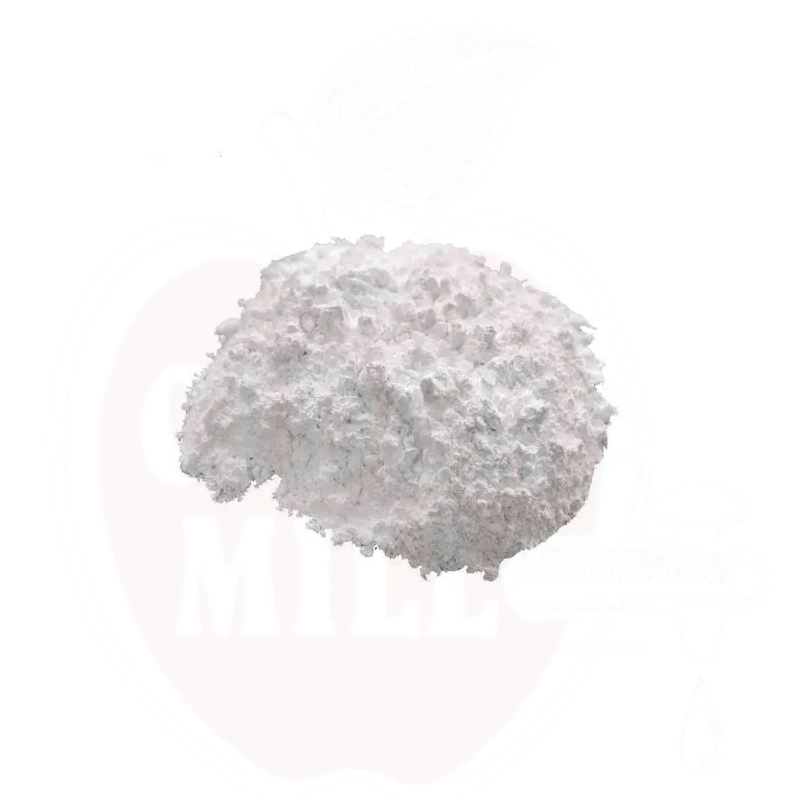
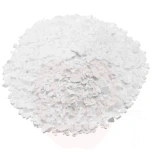
Calcium Carbonate (Chalk) 500g
Brand:

Unit: pc
Stock qty: Pre-order
Delivery time (day): 7-14

 Delivery time within Estonia for stock items approx. 3-5 working days. NOTE! Due to the rapid price increase, prices for non-stock items may change without prior notice! Standard prices with 24% VAT.
11,00 €/Kg
Calcium Carbonate (Chalk) 500g
Usage: Calcium Carbonate (Chalk) is suitable for brewing dark beers, which require a CO3²⁻ concentration of at least 150 ppm. It is used for increasing Residual Alkalinity in the brewing water as well as raising the mash pH. Additions can be put in the brewing water or directly into the mash.
Features: Also known as chalk, this additive is essential for dark beer styles that require higher alkalinity levels to balance the acidity of dark malts.
Technical data:
1 gram of CaCO3 per litre of water contributes:
• 400 ppm Ca²⁺
• 600 ppm Total Alkalinity as CaCO3
• 20 mEq/L Alkalinity as CO3²⁻
Calcium (Ca): Calcium is the primary ion determining the permanent hardness of the water. Calcium plays multiple roles in the brewing process including lowering the pH during mashing, aiding in precipitation of proteins during the boil, enhancing beer stability and also acting as an important yeast nutrient. Calcium levels in the 100 mg/l range are highly desirable, and additives should be considered if your water profile has calcium levels below 50 mg/l. The range 50 mg/l to 150 mg/l is preferred for brewing.
Carbonate and Bicarbonate (CO3 and HCO3): Carbonate is considered the most important ion for all grain brewing. Carbonate (or bicarbonate), expressed as total alkalinity on many water reports, is the ion that determines the acidity of the mash. It also is the primary determinant in the level of temporary hardness of the water. If carbonate levels are too low, the mash will be too acidic, especially when using darker malts (which have higher acidity). If carbonate is too high, mash efficiency will suffer. Recommended levels are 25-50 mg/l for pale beers and 100-300 mg/l for darker beers.
⚠️ Important: Follow the recommended dosage precisely. Start with small test batches to determine optimal additions for your water profile. Store in a cool, dry place.
Frequently Asked Questions
Which beer styles is calcium carbonate used for?
Calcium carbonate is primarily used for dark beer styles (stout, porter) that require a CO3²⁻ concentration of at least 150 ppm. It raises residual alkalinity and mash pH.
How do I add calcium carbonate to my brew?
Additions can be made directly to the brewing water or into the mash. The recommended dose depends on your water chemistry and target pH level.
How much calcium carbonate should I use?
Typically 1–2 g per liter is added, but the exact amount depends on your water mineral content. Use water analysis results and a brewing calculator to find the optimal dose.
Does calcium carbonate affect beer taste?
When dosed correctly, it improves the flavor profile of dark beers, providing a smoother, rounder taste. Overdosing may cause a chalky aftertaste.
| Weight (kg) | 0.5 |
| High (m) | 0.025 |
| Width (m) | 0.18 |
| Length (m) | 0.24 |