.png)

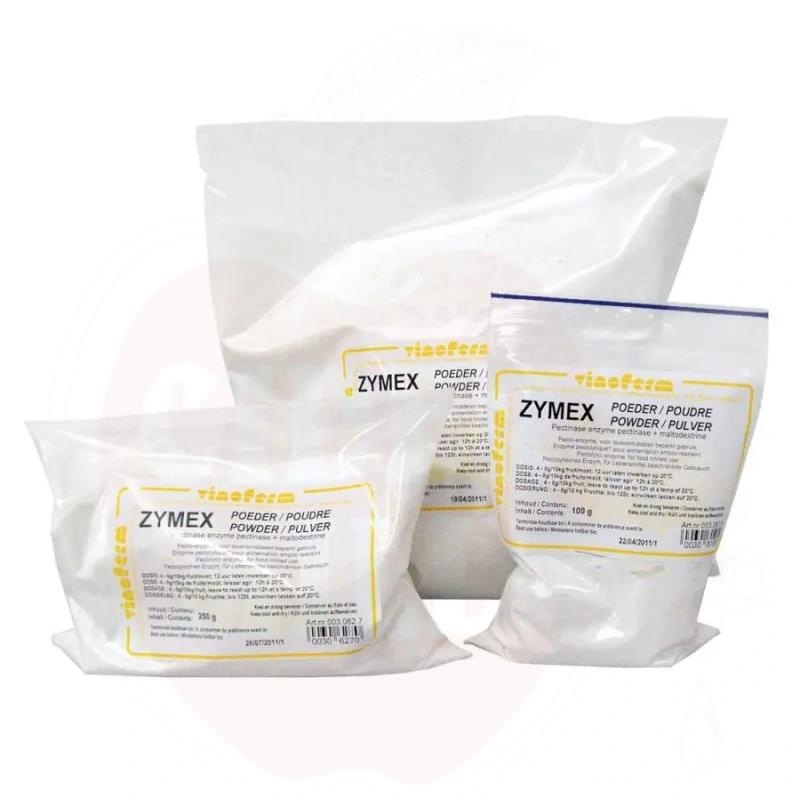
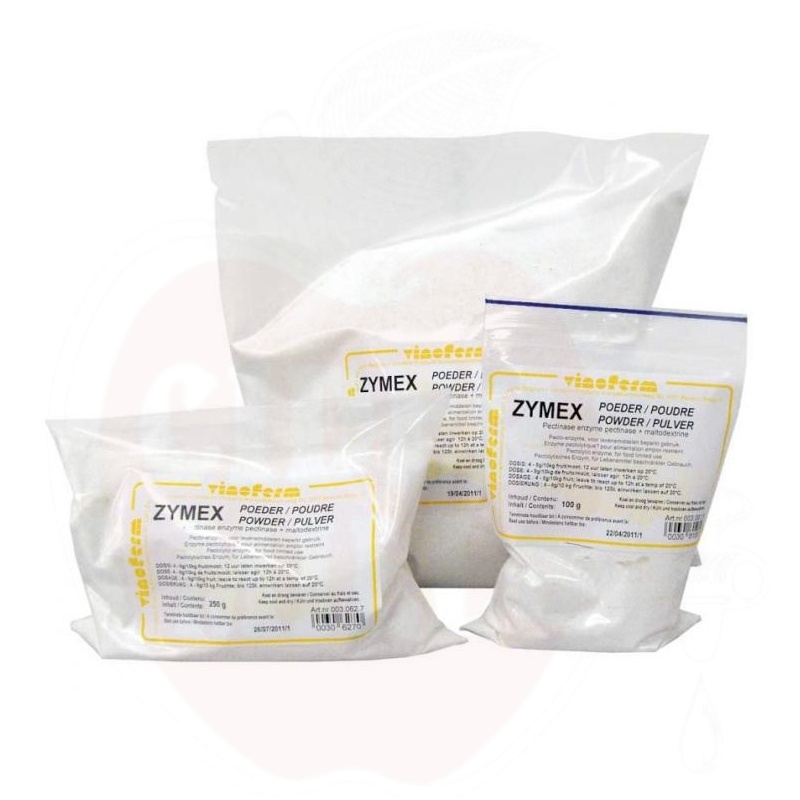
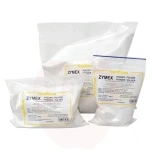
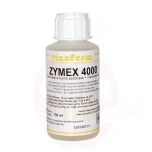
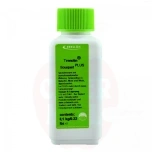
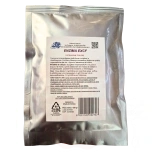
Pectolytic enzyme Vinoferm zymex 100g
EAN: 5420069848286
Brand:

Unit: pc
Stock qty: 1

 Delivery time within Estonia for stock items approx. 3-5 working days. NOTE! Due to the rapid price increase, prices for non-stock items may change without prior notice! Standard prices with 24% VAT.
95,00 €/Kg
Vinoferm® Zymex - Multi-active enzyme for making aromatic wines
Vinoferm® Zymex is a special powdered enzyme mixture containing pectinase, arabinase, and beta-glucosidase. This unique combination ensures richer aroma and fuller taste for your wines and distillates.
Product benefits and features
- Releases maximum aromatic components from fruits and berries
- Suitable for making both wines and distillates
- Ensures better juice yield and clearer end result
- Best stored in refrigerator
Instructions for use
Recommended dosage: 4-8 grams per 10 kilograms of crushed fruit or berry mass. Optimal processing time is 12 hours at +20°C.
Important to know when using enzymes
- When temperature drops by 7°C, double the dose
- For 6-hour processing time, use double amount of enzyme
- When adding bentonite, wait at least 12 hours after adding enzymes
NB! The order of adding ingredients is very important in winemaking. Wrong sequence can affect enzyme efficiency and final product quality.
Note: Using enzymes may cause slight color loss, which is a natural process for achieving the best aroma.
Frequently asked questions about this product
What does this enzyme blend do during winemaking?
It combines pectinase, arabinase and beta-glucosidase to break down fruit cell structures, which releases aroma compounds and frees more juice. The result is better yield, more aroma and a clearer end product.
How much should I use?
The recommended dosage is 4-8 grams per 10 kilograms of crushed fruit or berry mass. Staying within this range gives the enzymatic action you want without overdosing.
Why does temperature matter for the enzyme?
It works effectively around +20°C, so keeping the mash in that range lets the enzymes act properly. If it is too cold the reaction slows considerably, which lengthens processing and reduces the benefit.
How should it be stored?
It is best stored in the refrigerator. Enzymes lose activity with heat and time, so cool storage preserves their strength so each dose performs as intended.
| lumav_meta_description_de | Diese 100g VinoFerm Zymex Enzymmischung aus Pektinase, Arabinase und Beta-Glucosidase steigert Saftausbeute und Weinaroma. |
| lumav_meta_description_en | This 100g VinoFerm Zymex enzyme blend of pectinase, arabinase and beta-glucosidase boosts juice yield and wine aroma. |
| lumav_meta_description_et | VinoFerm Zymex 100g pektinaasi-, arabinaasi- ja beeta-glükosidaasisegu suurendab mahlasaaki ning tugevdab veini aroomi. |
| lumav_meta_description_fi | Tämä 100 g VinoFerm Zymex -entsyymiseos pektinaasia, arabinaasia ja beeta-glukosidaasia lisää mehusaantoa ja viinin aromia. |
| lumav_meta_description_lt | Šis 100g VinoFerm Zymex fermentų mišinys su pektinaze, arabinaze ir beta-gliukozidaze padidina sulčių išeigą ir vyno aromatą. |
| lumav_meta_description_lv | Šis 100g VinoFerm Zymex enzīmu maisījums ar pektināzi, arabināzi un beta-glikozidāzi palielina sulas iznākumu un vīna aromātu. |
| lumav_meta_description_sv | Denna 100g VinoFerm Zymex-enzymblandning av pektinas, arabinas och betaglukosidas ökar saftutbytet och vinets arom. |
| lumav_meta_keywords_de | VinoFerm Zymex, pektolytisches Enzym, Pektinase, Saftausbeute, Weinherstellung, 100g |
| lumav_meta_keywords_en | VinoFerm Zymex, pectolytic enzyme, pectinase, juice yield, winemaking enzyme, 100g |
| lumav_meta_keywords_et | VinoFerm Zymex, ensüüm, pektinaas, mahlasaagis, veinivalmistus, 100g |
| lumav_meta_keywords_fi | VinoFerm Zymex, pektolyyttinen entsyymi, pektinaasi, mehusaanto, viininvalmistus, 100g |
| lumav_meta_keywords_lt | VinoFerm Zymex, pektolitinis fermentas, pektinazė, sulčių išeiga, vyno gamyba, 100g |
| lumav_meta_keywords_lv | VinoFerm Zymex, pektolītiskais enzīms, pektināze, sulas iznākums, vīna gatavošana, 100g |
| lumav_meta_keywords_sv | VinoFerm Zymex, pektolytiskt enzym, pektinas, saftutbyte, vintillverkning, 100g |
| lumav_meta_title_de | VinoFerm Zymex Enzym 100g · FERMETECH |
| lumav_meta_title_en | VinoFerm Zymex Enzyme 100g · FERMETECH |
| lumav_meta_title_et | VinoFerm Zymex ensüüm 100g · FERMETECH |
| lumav_meta_title_fi | VinoFerm Zymex -entsyymi 100g · FERMETECH |
| lumav_meta_title_lt | VinoFerm Zymex fermentas 100g · FERMETECH |
| lumav_meta_title_lv | VinoFerm Zymex enzīms 100g · FERMETECH |
| lumav_meta_title_sv | VinoFerm Zymex-enzym 100g · FERMETECH |
| Weight (kg) | 0.100000 |
| High (m) | 0.01 |
| Width (m) | 0.02 |
| Length (m) | 0.03 |


![Enzyme (250g) Lafazym Thiols [+]](https://www.fermetech.eu/media/cidermill/.product-image/small/product/cdn.erply.com/13484-xqr4hdyrxqcfxkbtks0zvlx8grkpfotmhgw1xcdvbuoutkw6jh.jpg.webp)